Reduce apparel returns with virtual try-on
Which apparel returns come from expectation mismatch, what a virtual try-on preview changes about that, and the returns it cannot touch — including sizing.
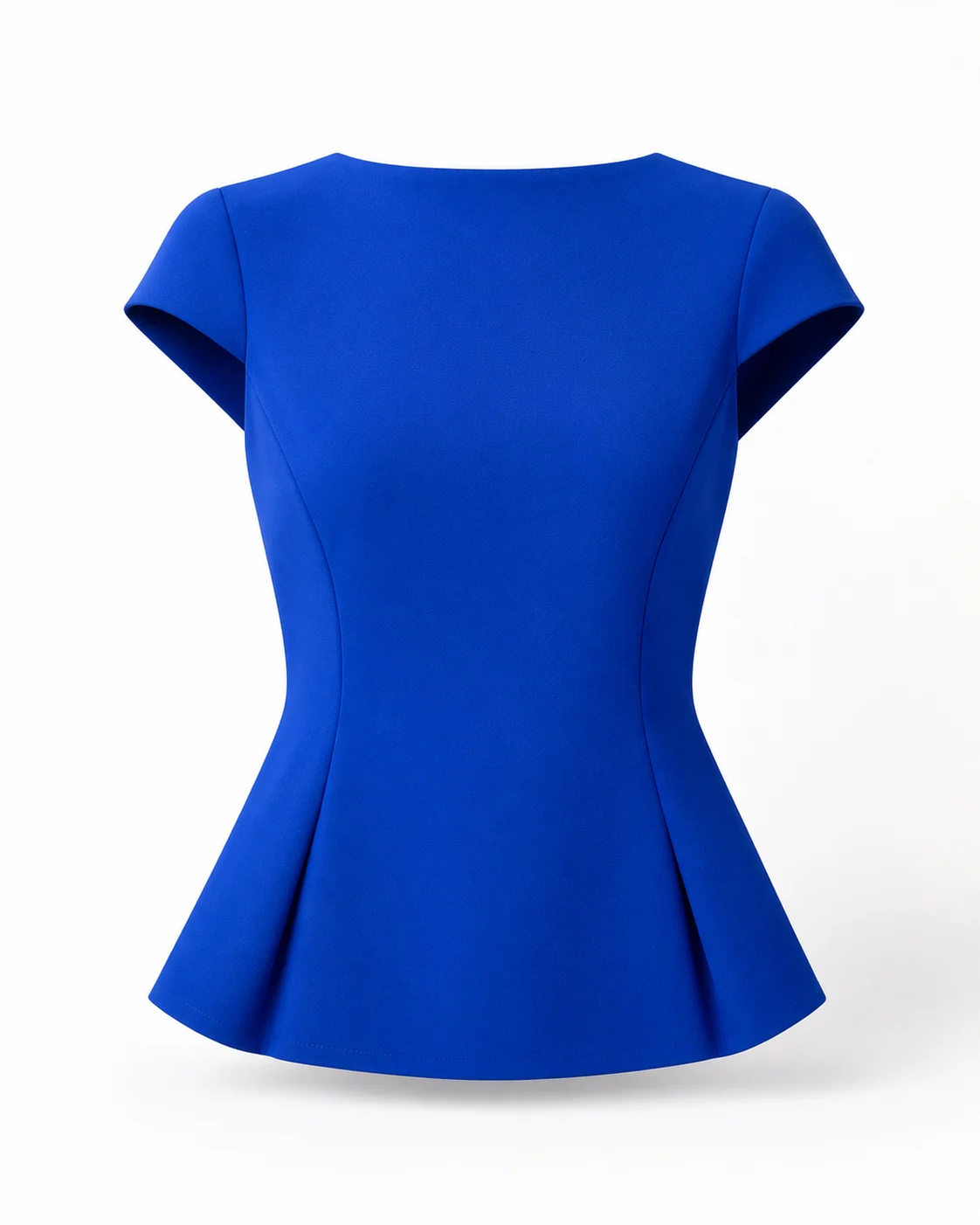
A return is a gap between two pictures
Somebody opened a parcel and the thing inside was not the thing in their head. That is what most apparel returns are, underneath the reason code.
The picture in their head came from your photography, made under conditions that flatter: correct light, a steamed garment, a model chosen because clothes hang well on her, a colour that survived one edit and one screen calibration. The picture in the parcel was assembled in a hallway, in daylight, on the person who paid. When the two disagree, the parcel comes back and you pay the outbound delivery, the return leg, the handling and often a markdown.
Virtual try-on works on exactly one part of that gap, and it is worth being precise about which part.
Sort your returns before you buy anything
Pull the last few hundred and put each one in a pile.
Wrong item shipped, seam failure, colour bleeding in the wash, a parcel that arrived after the wedding — none of those are a product-page problem. They belong to picking, QC and logistics.
Then a size pile. Too small, too big, too short in the body. That is a measurements problem, solved by a size chart that reflects the actual garment and by telling shoppers what height the model is and which size she has on. Try-on does not solve it either.
What is left reads as taste and appearance. It did not suit me. The colour was different in daylight. It was much shorter than I expected. I could not picture how to wear it. That pile is expectation mismatch, and it is the only pile a visual preview has any claim on.
If that pile is small, spend the money on photography, measurements or QC instead. If it is the biggest — common in dresses, occasionwear, swim and strong colourways — try-on is working on the right problem.
Say the limit out loud, including on your own product page
Try-on addresses visual uncertainty. It does not address sizing accuracy. It renders how a garment looks on a person; it does not measure that person, and has no opinion on whether they order the 10 or the 12.
Keep your size chart. Keep your garment measurements. Keep the line about what the model is wearing. A store that markets a preview as a fit guarantee is manufacturing a new category of disappointed customer to replace the old one.
The same goes for fabric. A preview cannot transmit weight, hand, stretch, or how a lining behaves after an hour. Those belong in the description, installed app or not.
Why the model photo does not close the gap
Your on-model photograph demonstrates that the garment can look good. She is not asking whether it can, but whether it will — on her, in her colouring, at her height, with her shoulders.
A house model settles nothing on that question — she is not the person holding the credit card. The shopper closes it herself by projecting from the model onto her own body, and the projection is where the error creeps in. She projects optimistically, orders, and the correction arrives by courier.
What changes when she sees it on herself
The mechanism is unglamorous: try-on removes the projection step. She uploads or takes a photo, and the garment is rendered onto her on the product page, before the order exists. Length is measured against her own legs, and the colour sits next to her own skin instead of a stranger's.
Two things follow. Some shoppers find their doubt answered and buy with more conviction than a photograph could give them. Others look at the result and decide against it.
That second group is the point, and most of this category is too nervous to say so. A shopper who backs out at the preview is a return you never processed and a garment still sellable at full price. Try-on may cost you an add-to-cart to save you the return, the two shipping legs and the markdown behind it.
The other half is the photograph they see first
Expectation mismatch starts before anyone taps a button. A hanger shot against a stockroom wall sets a vaguer expectation than an on-model image, and vague expectations get filled in wrongly.
Selvette's Studio turns a single product image into on-model photography, so flat-lay pieces get a body, a scale and a hem you can judge. Up to 6 poses come from one run, including back and three-quarter, which is where a length or coverage surprise usually hides. Where movement is misjudged, 360° video reels are available from Pro upwards. Setting expectations accurately is the same work as reducing returns, done earlier in the page.
Measure it in your own shop, because we are not going to hand you a number
There is a percentage floating around this category that everyone quotes at each other. We are not going to repeat it. We have no customers yet and no measurements of our own, and a figure from somebody else's catalogue tells you nothing about yours — return behaviour on occasionwear looks nothing like it does on jersey basics.
Test it instead. Enable try-on on one category, leave a comparable category alone, tag returns by reason for a couple of months, and read the appearance pile rather than the total. Selvette tracks try-on through to cart and purchase per product, so engagement and outcome sit on the same line item.
Measuring ROI from virtual try-on sets out the tracking, the try-on app guide covers install and behaviour, plan numbers are in the pricing section, and the use-case library breaks the categories out.
FAQ
Does virtual try-on reduce returns?
It can only affect returns caused by expectation mismatch — where a shopper says the garment did not suit them, the colour looked different, or the length surprised them. It has no effect on wrong items, defects, delivery timing or fabric feel. Sort your returns by reason first: if the appearance pile is small, try-on is not the right fix for your store.
Does try-on replace a size chart?
No. Try-on addresses visual uncertainty, not sizing accuracy. It renders how a garment looks on a person and measures nobody, so your size chart, garment measurements and model-height note all stay on the page. A preview marketed as a fit guarantee only creates a different unhappy customer.
Will try-on cost me sales by talking shoppers out of buying?
Some shoppers will see the result and decide against the garment, and that is the mechanism working rather than failing. Someone who backs out on the product page is a return you never processed and a piece still available at full price. If returns are the line you are trying to move, that is a trade you make deliberately.
Which products should I switch it on for first?
Start with whichever category your appearance-related returns concentrate in, usually dresses, occasionwear, swim, modest wear and strong colourways. Leave a comparable category untouched to read the result against, and give both groups long enough for the return window to close.